
More Than a Farm: The Legacy of the Cehrs Farm
For the Cehrs, their farm was never defined only by the crops it produced.
Like so many farming families in the Central Valley, they understood that caring for the land meant making decisions not only for the next harvest, but for the generations who would someday inherit it. Stewardship was not a single act or milestone. It was a way of approaching the land every day, recognizing that productive farmland is both a livelihood and a responsibility.
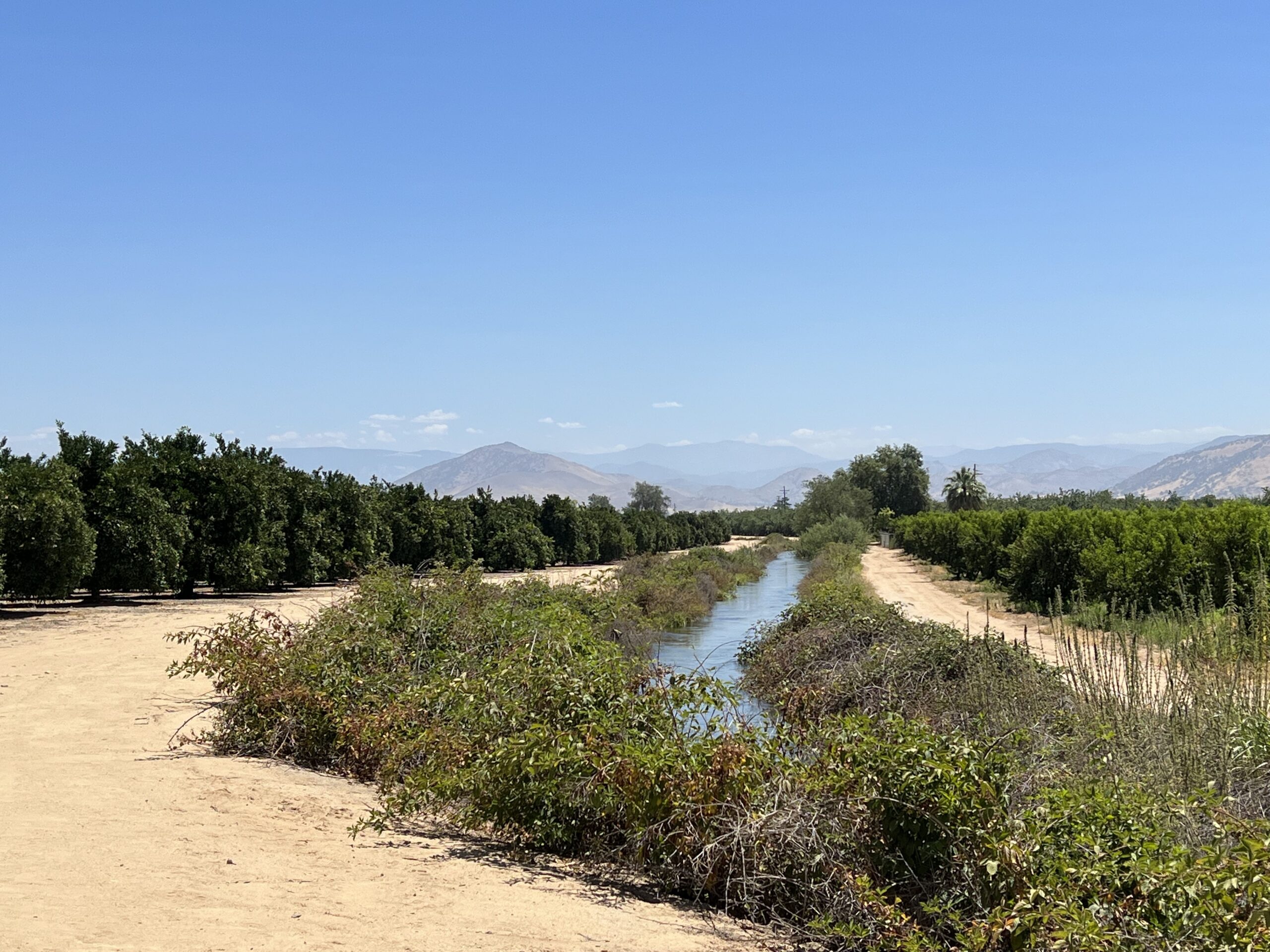
That belief led the Cehrs to begin working with Kings River Land Trust to permanently protect their 112 acre farm northeast of Sanger through an agricultural conservation easement. The easement ensures the farm will remain in agriculture while continuing to protect the wildlife habitat that has developed along the historic Lone Tree Channel.
Today, the Cehrs Farm joins a growing number of permanently conserved working lands throughout the Kings River region. The easement protects 112 acres of Prime Farmland and Farmland of Statewide Importance, where approximately 102 acres continue to produce lemons, navel oranges, and almonds. More importantly, it ensures that future generations will have the opportunity to continue farming this remarkable property just as the Cehrs family has done.
"This farm represents so much more than acreage. It holds years of hard work, memories, and a deep appreciation for the land itself. David and I always believed we were caretakers of this property, and placing it under a conservation easement felt like the right way to honor that responsibility,” said Anne Cehrs. “Knowing this land will continue producing food while remaining open and protected for future generations brings our family tremendous peace."
The Cehrs Farm is a reminder that agriculture and conservation are not opposing ideas. In many cases, they depend on one another.
While the orchards provide food for families across California and beyond, another part of the property serves an equally important purpose. The Lone Tree Channel, which winds through the farm and is managed by Consolidated Irrigation District, supports a riparian corridor where great blue herons, egrets, kingfishers, hawks, owls, turtles, muskrats, coyotes, and countless other species find food, water, and shelter. Although the district periodically clears vegetation as part of its maintenance program, the habitat quickly regenerates, allowing agriculture and wildlife to continue existing side by side across the landscape.
The history of the property tells a similar story. Historical aerial photographs show that orchards have dominated the landscape since at least the 1930s. Over the decades, vegetation has continued to regenerate along the Lone Tree Channel between maintenance cycles, contributing to the corridor's value as wildlife habitat. The farm has continued to evolve, yet its purpose has remained remarkably consistent: to produce food, care for the land, and contribute to the agricultural character of the Kings River region.
That purpose is becoming increasingly important.
As communities throughout the Central Valley continue to grow, productive farmland often sits under increasing pressure to become something else. Once agricultural land is converted to residential or commercial development, it is rarely returned to farming. The soils that have produced food for generations are lost, along with local food production, wildlife habitat, open landscapes, and the agricultural economy that supports so many Valley families.
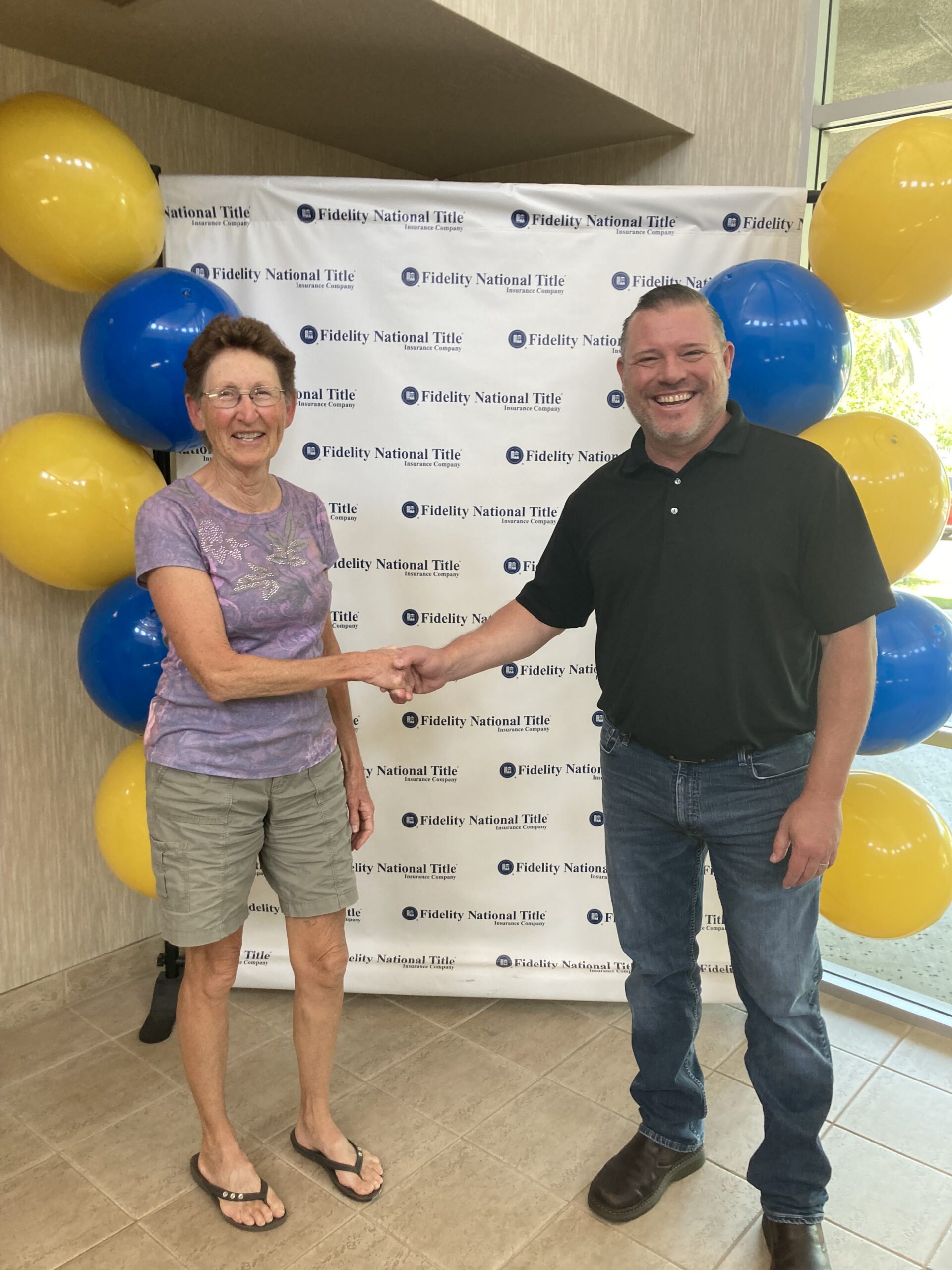
Anne Cehrs, Cehrs Farm, and Luke Hoekstra, Executive Director of KRLT, shake hands at the completion of her family’s conservation easement
Agricultural conservation easements offer landowners another choice.
Unlike public parks or preserves, land protected by an agricultural conservation easement remains privately owned. Families continue farming, living on, selling, or passing the property to future generations. What changes is that the development rights are permanently removed, ensuring the land remains available for agriculture in perpetuity.
Conservation is sometimes misunderstood as protecting land from people. Agricultural conservation easements tell a different story. They protect land for people by ensuring that productive farms remain productive farms. The Cehrs Farm will continue growing lemons and navel oranges, providing local jobs and contributing to California's food supply just as it has for decades. The difference is that future generations can do the same because the possibility of development has been permanently removed.
"One of the greatest privileges of our work is partnering with families who have already been exceptional stewards of their land," said Luke Hoekstra, Executive Director of Kings River Land Trust. "Our role is to help make their vision permanent. The Cehrs Farm will continue producing food and contributing to the agricultural heritage of the Kings River region for generations to come, while the Lone Tree Channel continues to provide important wildlife habitat alongside this working landscape."
For Kings River Land Trust, projects like this begin long before documents are signed or easements are recorded. They begin with conversations, relationships, and landowners who care deeply about what will happen to their property long after they are no longer the ones making decisions for it.
Every conservation easement begins with a landowner willing to ask an important question: What do I want this land to become after I'm no longer the one caring for it?
The Cehrs answered that question with remarkable clarity. They chose a future in which this land continues to do what it has done for generations: produce food, support wildlife, strengthen the local agricultural economy, and remain part of the landscape that defines the Kings River region.
Years from now, most people driving past the Cehrs Farm will never know a conservation easement protects it. They will simply see rows of healthy citrus orchards, the Lone Tree Channel winding through the landscape, and another working farm contributing to the life of the Valley.
The greatest legacy of this project will not be found in the legal documents that made it possible. It will be found in the landscape itself, continuing to nourish both people and wildlife because one family chose to protect its future.
If you own agricultural land and have ever wondered what options exist for protecting it for future generations, Kings River Land Trust would welcome the opportunity to begin that conversation. Every conserved property begins with a relationship, and every relationship begins with a simple question about what matters most to you and your land.